
Snow Problem
Whether they’re maple syrup farmers, emergency room nurses, or seasonal concrete pourers, most Winter Olympians work normal jobs just like the rest of us. Winter Olympians need “real” jobs on the side because, as it turns out, competing in weather-dependent, quadrennial sports don’t exactly pay the bills. Nevertheless, being the best in the world at a sport demands that Olympians must hustle throughout the year, juggling Olympic training alongside a regular, full-time career. Consequently, many athletes have complicated relationships with their passions, pouring their heart and soul into their sport, a side hustle with high costs, low odds, and Olympic-level dreams.
Olympians sacrifice every free moment outside of their jobs to train for their events, turning their sports into their own version of a toxic side hustle. All for the pursuit of tangible successes like competition wins, sponsor deals, and dare I say it, elusive gold medals, side hustle culture has poisoned this passion-driven pursuit on the Olympic stage. With that kind of monumental pressure heaped on top of an Olympian’s already high-stakes performance, can any athlete detach themselves from the make-or-break mentality?
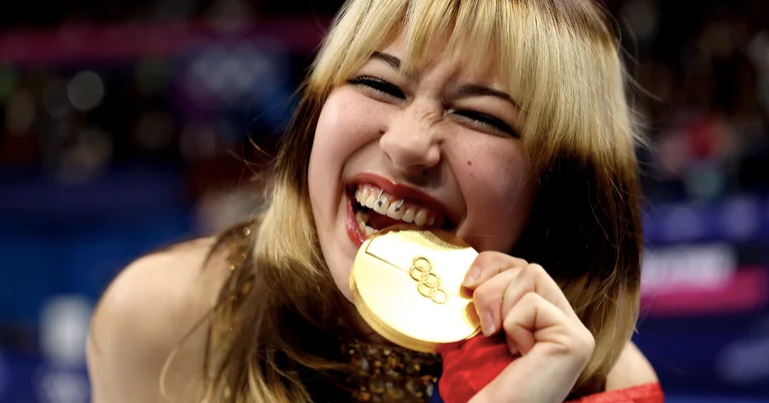
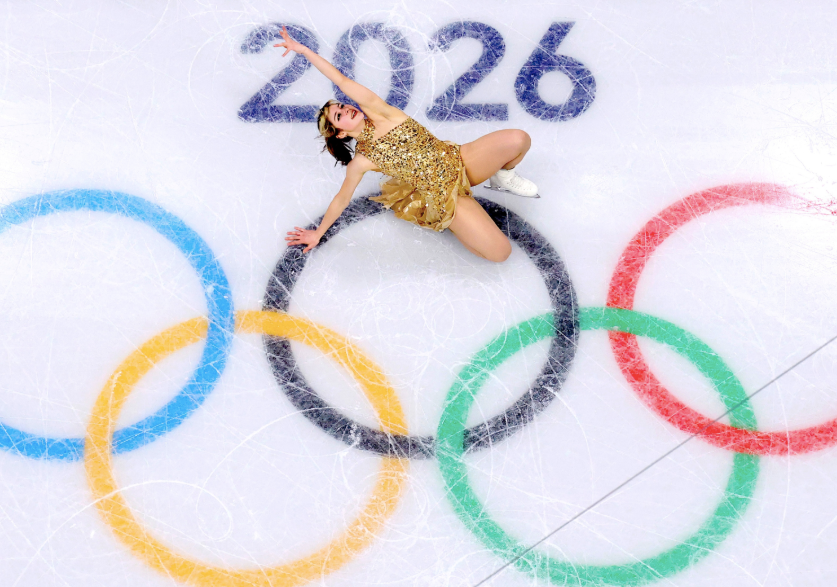
In the 2026 Milano Cortina Olympics, fans witnessed a fresh, eye-opening perspective from a 20-year-old Gen Z athlete. Amidst the furrowed brows and anxiety-ridden Olympian interviews, Alysa Liu, the American figure skater, stood out against her competition. Not just because of her uncharacteristic piercings or her unusual hair style, but because of her totally laid-back attitude.
Unlike her rivals, she legitimately didn’t care about the outcome of her events.
It genuinely didn’t matter to Liu if she won or lost; she just wanted to showcase her art and her love for figure skating. There’s something profound about that, especially when it comes to the time commitment, the sacrifice, and the pressure of athletic performance at the Olympic level.
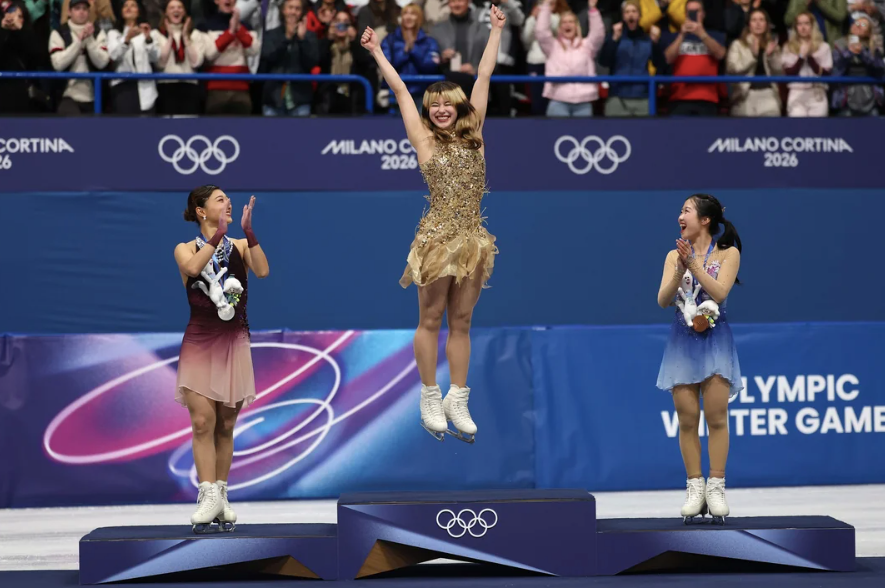
It’s become so rare in our modern society to see someone doing something simply for the love of it. Without money, fame, or bragging rights, most people aren’t motivated enough to stick with their hobbies and passions, but that’s why the public has become obsessed with Alyssa Liu. We’re all in awe not just from her phenomenal skating, but also by her upbeat, unbothered, and positively wholesome approach to her pastime. The Oakland-born Californian figure skater not only stood on the podium at the Olympics, but took home two gold medals, turning into America’s alt-sweetheart in the process. Hypnotized by her magnetic personality and infectious positivity, spectators have witnessed a new facet of Olympic side hustle. Alysa Liu has managed to flip the script on side hustle success, succeeding despite a chill, go-with-the-flow mentality that is rarely rewarded in our modern world.
Do the Hustle
There’s no money in chasing your dreams… At least, that’s the narrative most of us have been led to believe since grade school.
However, everything changed in the 2010s when influencers realized they could turn their passions or hobbies into a side hustle to make a little extra cheddar on the side. A “side hustle” is a second job that a person tackles alongside their main employment to generate additional income, usually stemming from a marketable craft, specialized service, or at-home hobby. With a newfound fiscal motivation, crafty moms, pickle enthusiasts, and bar trivia hosts alike can become entrepreneurs, manufacturing products and selling services that once made them independently happy, in exchange for a few extra dollars in their pocket. Sadly, side hustles have become a necessity for many and, according to a 2025 survey, 72% of Americans survive solely because they have a side hustle to supplement their income. Focusing on work, material wealth, and hustle culture, the destructive “grindset” was born, trading happiness for relentless hard work and a must-do attitude in the process.
Side hustles and the grindset have inherently toxified over the years, mutating once-wholesome pursuits with the desire for wealth. Not only do they glorify nonstop labor and strip the intrinsic value away from a favored pastime, side hustles have also contributed to the increase in burnouts and mental instability according to Forbes. Humans were never meant to “grind” constantly, regardless of payout.
When it comes to Winter Olympians, their side hustle doesn’t pay cash; their athletic pursuits only pay off if they win gold. Yet, with the same toxic intensity, Olympian side hustles have higher stakes than ever. Winter Olympians are dentists, teachers, and baristas by day, but they only have the opportunity to be Olympic curling champions, medal-decorated figure skaters, or slopestyle gods on the podium every four years. Because of this, athletes are deeply entrenched in a prevalent side hustle culture where the love of the game is eclipsed by the toxic pursuit of tangible success.
Whether they’re crafty jewelers pursuing extra money on the side or Olympians chasing the chance at a gold medal, the pressure of the side hustle is the same for everyone. Inevitably, heavy expectations and relentless ambition come at a cost, selling off the fundamental joys of creativity, expression, and performance.
Lo and behold, not all Olympians have succumbed to the pressure. Alysa Liu has reminded judges, coaches, athletes, and spectators that there’s far more to sporting events than the outcome.
Via u/ZUMApress
Retiree Turned Champion
Becoming a world champion at only 13-years-old, Alysa Liu has always been a bit of a figure skating prodigy. She spent her formative years competing on a global stage, pouring every ounce of her soul into skating. However, after years of winning (and losing) competitions as a teen, 16-year-old Alysa Liu went through an intense burnout, hating the way competition made her feel inadequate. This ultimately led her to retire from figure skating altogether, and she distanced herself from the sport to focus on her mental well-being.
In recent years, she has rekindled the love for the sport, but in a new way. Picking up her side hustle once more, Liu took a refreshing approach, one that is rarely celebrated and contradicts the pervasive grindset mentality. Focusing instead on her passion rather than the toxicity and pressure of competition, Liu decided to stop caring so much about the outcome. She just wanted to skate, create art, and try her best. Channeling the classic Gen Z burnout-to-indifference pipeline, Liu has managed rebound in the most positive way, celebrating herself, her art, and her side hustle passion regardless of the podium results.
Funnily enough, it’s this nonchalance, positivity, and wholesome energy that helped her perform her best. Obviously, Liu is extremely talented and devoted to her craft, but I believe that her best performance was only achieved because she took the pressure off of herself. Unlike other Olympians, who crumble under the weight of their side hustle, Liu took on a new, wholesome perspective, which led her to the podium and straight into the hearts of every young, stressed-out athlete watching from home.
Sports performance is just as much a mental battle as it is a physical one, and if athletes remember the reason why they started in the first place, that’ll push away the creeping obligation of toxic side hustling. Celebration and self-appreciation is rare nowadays, but it’s nice to see burnouts be replaced by positive nonchalance, because sometimes the best way to feel good about yourself is to stop caring what others think.
Via u/Gayfetus