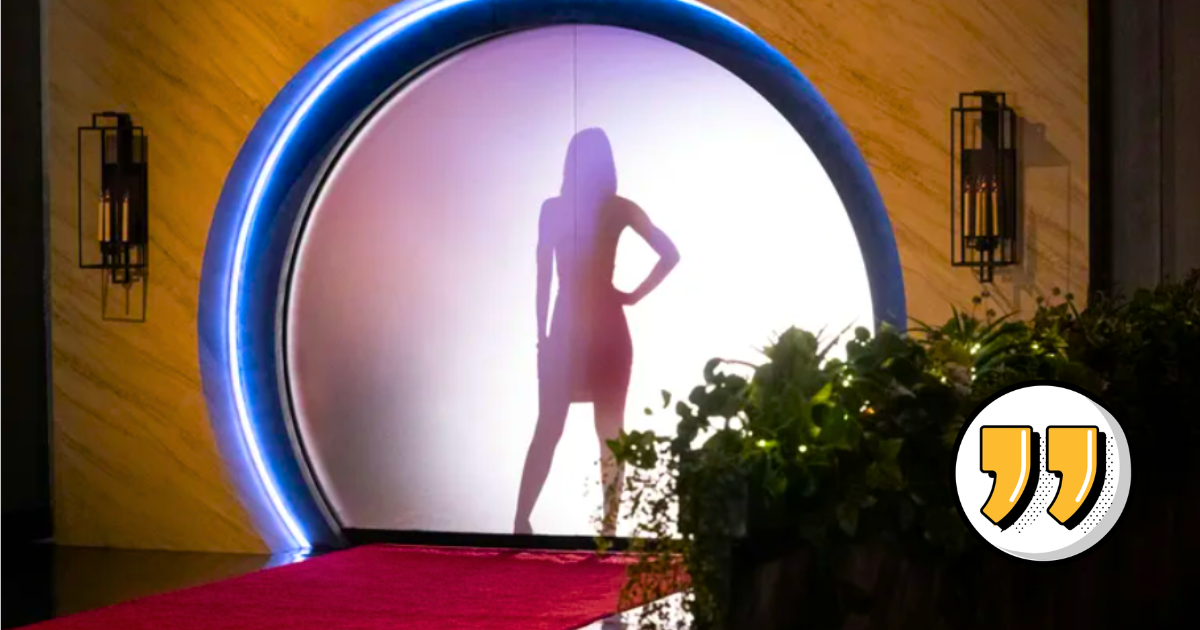
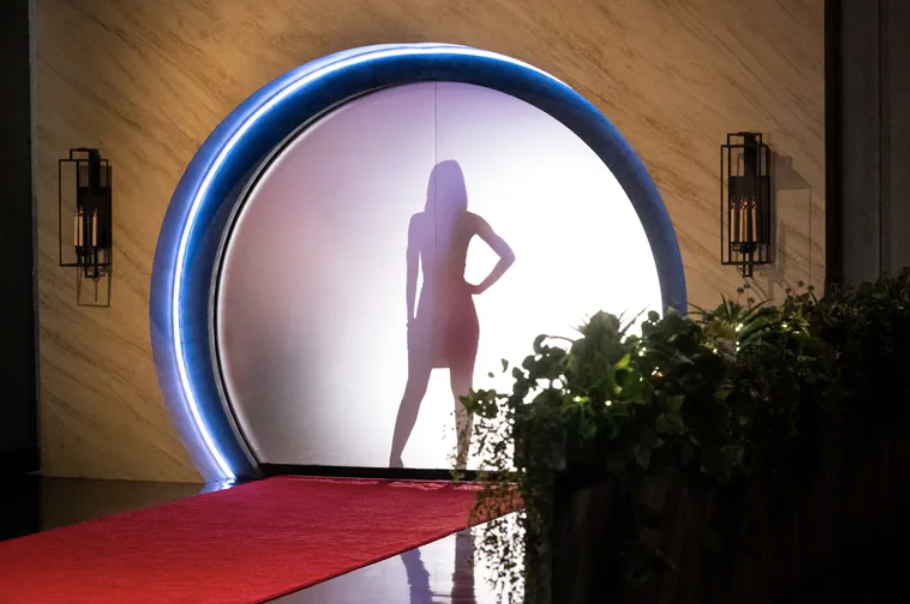
That is the interesting romantic conundrum that the TV show Love is Blind set out to answer. As one of the most original and interesting dating show ideas in the last decade, Love is Blind producers shook up the dating show model. They ideated a “pod experiment,” furnishing a TV set for contestants to go on unique, semi-anonymous dates with one another, embarking on a veiled journey to find love. The pods were intriguing and revolutionary, attracting a group of hopeful romantics to take part in a social experiment that would eventually air on national television. It was never framed as reality television, it was more scientific than that. These literal “blind dates" sought to answer whether it was possible to find true love without ever seeing your counterpart’s face or physique, revealing their appearance only after their counterpart has accepted a marriage proposal.
Not only is this fascinating, but it makes butterflies flutter in your stomach a little.
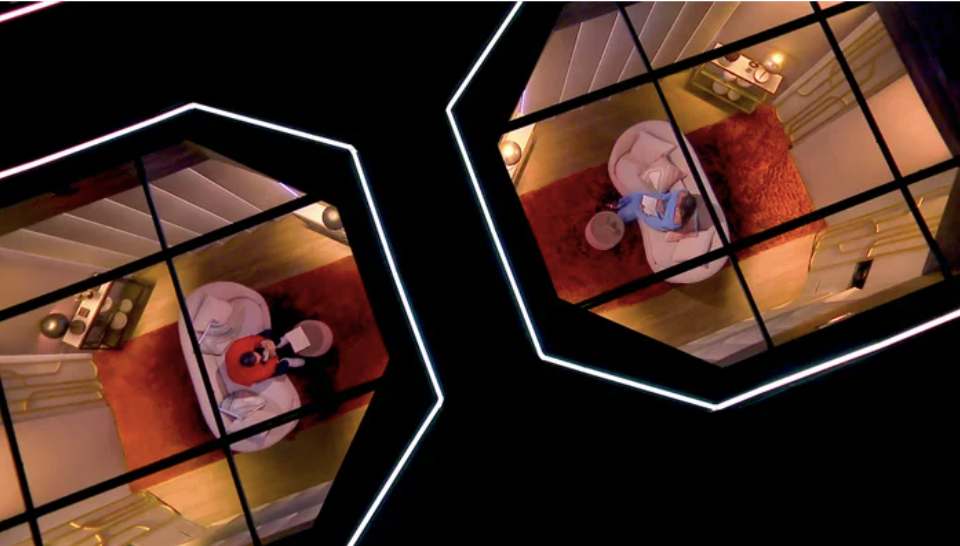
Via Netflix/Huffpost
Unlike the audaciously unsophisticated dating shows like Love Island, 90 Day Fiance, or Too Hot to Handle, Love is Blind entered the dating show chat with a new concept in mind: An actual experiment that went beyond physical attraction. Throwing away the libido-driven, singles-meet-and-mingle model, they removed physical appearance as a factor of finding true love, creating a fascinating dating show that was new, fresh, and gave audiences hope that dating shows could resemble actual reality. Because of this, Love is Blind claimed to be more high-brow than other dating show competitors, offering a sophisticated glimpse into the common threads of love that are woven into society. While this new take led to the show’s success, it also led to its downfall.
With the unsurprising success of its first season in 2020, Love is Blind was renewed for several follow up seasons and international spin-offs, but the show’s integrity quickly decayed. With the fame and notoriety that came alongside its ratings, the show’s contestants changed mindsets as well, seeking a stage or a platform for their own endgame instead of seeking the results of a well-crafted experiment. Love may have been blind in season one, but now, as audiences watch alongside Love is Blind Season 10, it feels like even the producers are blind. It’s now more like an overly-dramatic arm’s race of emotionally stunted phonies instead of a heartwrenching search for true love.
Modern seasons of the Love is Blind begs a new question: Can dating shows survive more than one season without morphing into a trashy reality TV-esque social experiment?
Moths to a Dramatic Flame
The short answer is “no.”
Love is Blind should have stopped while they were still ahead, calling the experiment a success with the marriage of season one’s sweethearts, Cameron and Lauren. For those of you who forgot, Cameron and Lauren are still happily married after 6 years and have welcomed their first child. For them, love was blind and the show miraculously brought them together, but for every other contestant who followed, the experimental integrity was already lost before it began.
Lauren and Cameron from Love is Blind Season 1 just had their first baby
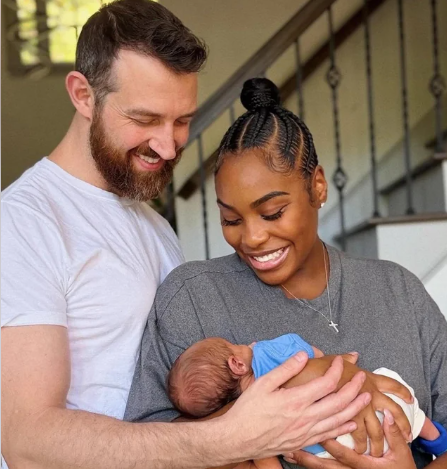
Via u/Fauxmoi
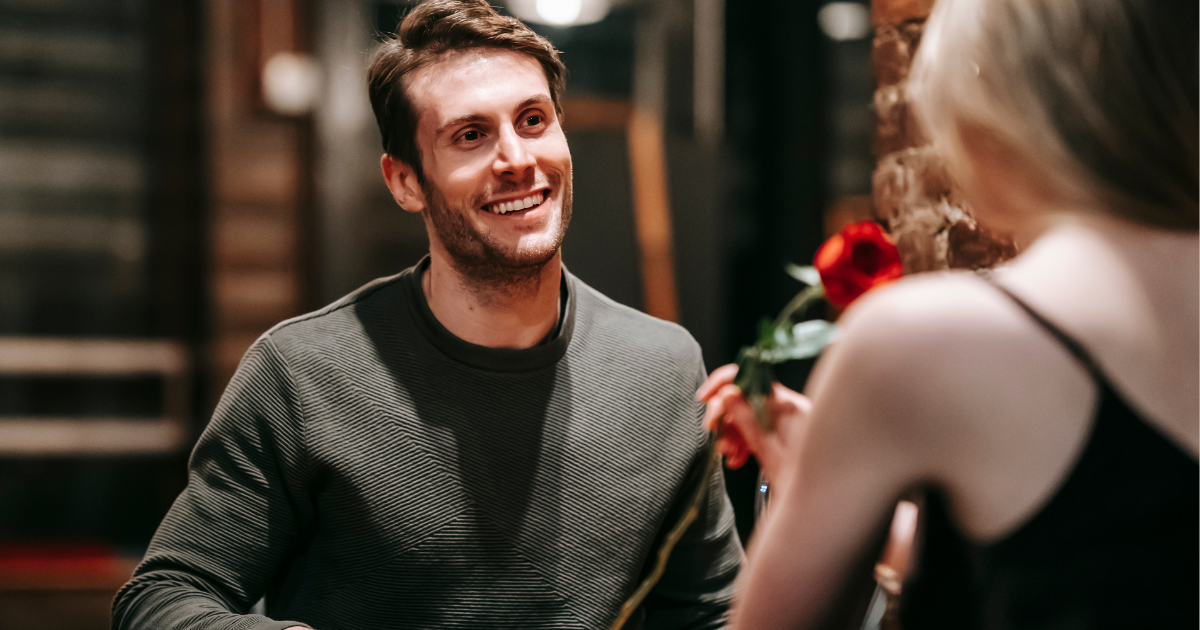
Reality television is an undeniably magnetic force, for both participants and audiences. While there are people who love the drama and the juicy betrayals of reality TV contestants, many others detest the inherent fakeness and strangely inhuman way that reality TV stars act. Ironically, the “reality” aspect of reality TV removes components of a person’s natural behavior largely because the cast members don’t know how to act normal in front of a camera. Like animals in the wild whose natural behavior gets disrupted by treat-toting tourists, participants on reality television start behaving differently once their outbursts, back-stabbings, and love triangles are rewarded with a tasty morsel of boosted ratings. It’s no longer natural, and it’s no longer true to reality.
Via Katerina Holmes
Like crafty bears breaking into cars for a granola bar, reality television participants are powerfully influenced by the rewards and opportunities that come with a TV show’s captive audience. Tantrums and bad behavior are rewarded on reality television and oftentimes, cast members are actually encouraged to lean into their basal instincts in order to boost ratings. Viewers crave the drama. “Reality television provides viewers with an opportunity to escape the monotony of their own lives,” says Althia McLaughlin, Medium journalist. “During the time that we are watching other people’s challenges and conflicts, we are able to forget our own lives.” Television producers are well-aware of this potent combo of love and drama. So they exploit this guilty pleasures of audiences, and have for decades. This encourages purposefully riotous behavior and grossly overdramatic social interactions. There’s a reason that over 100 seasons and spin-offs of The Real Housewives franchise exist; drama gets the people going.
Because of this, in the venn diagram of show genres, there’s often a significant overlap between dating shows and reality television. Yet, there’s still a part of every viewer that craves realness over the exaggerated illusion and wants two lovers to actually find their true love at the end of the story. It’s not a completely impossible outcome either. Sean Lowe and Catherine Giudici are still in love after their live-broadcast wedding ceremony on The Bachelor, and since meeting on the show, they’ve managed a wholesome, genuine, 12-year relationship. The search for this kind of real love is this reason that Love is Blind was such a phenomenon. Audiences wanted the contestants to fall in love for real, and to answer the scientific question: Is love truly blind?
However, as Love is Blind became widely-known, the integrity of the “scientific experiment” illusion diminished. As the seasons went on, contestants had other prizes to plunder through the show. Love became the backburner consolation prize for participants instead of the main goal, getting eclipsed by other pursuits like notoriety and fame, which came quite easily as contestants fan the flames of romantic conflict on TV. Everyone is fascinated by conflict to a certain degree, especially when there’s an element of romantic entanglement involved, but that was the reality TV stigma that Love is Blind was trying to get away from in the first place.
No Greater Than the Sum of Its Parts
The reward-driven contestants of subsequent seasons of Love is Blind eroded the show’s nature because they were no longer interested in finding true love. Prospective applicants noticed Love is Blind’s success and applied to participate with more than a potential life partner in mind. They saw the show as a launch point, as a marketing opportunity, or as a stage for their 15-minutes of fame, not unlike the contestants on Love Island or some other unashamedly shallow production. Without the mission statement in mind or the goal of true love at the end of the wedding aisle, the show descended into the usual reality television chaos because suddenly, every participant involved was no different than the usual crop of reality television show candidates.

Via Prostock-studio
For hopeful viewers who thought they were witnessing something real for once, Love is Blind is the ultimate disappointment. It completely left behind their wholesome experiment to buy into the charms of shallow pursuits instead.
Living Long Enough to Become the Villain
Metamorphosing into the beast it always claimed superiority over, Love is Blind’s biggest mistake was continuing and became completely unwatchable in later seasons because of reality show tedium, monotony, and utter lifelessness. There’s no love anymore on the show, as contestants seemingly recite lines and act like animatronic drones with their golden wine glasses, tailored wardrobe, and manicured haircuts.
For a show that was built on emotional connection over physical appearance, the participants all ironically look a little too perfect. Aesthetics aside, the show itself lost its soul the moment the contestants were no longer seeking true love and from there, the epic wholesomeness of its first season was entirely forgotten.
To avoid limping along until cancellation, dating shows should be limited to a single season. While multi-season shows seem like a money-making idea, with the same concept copied and pasted onto a lesser cast with dimming light behind their eyes and the fame game on their mind, audiences grow bored and the show’s concept becomes stale. What makes dating shows lively and interesting is the elusive glue that holds this whole societal machine together: Love, not fame or glory.
Keep things fresh, get creative, and find new ways to make dating shows interesting by leaning into true love. That’s what everyone truly wants in the end.
As it turns out, the simplest way to do that is by keeping it real, keeping the chauvinistic, self-obsessed contestants off the casting board, and keeping it to only one season.