
Evolution of the Troll
Amidst the increasingly noisy nature of society’s overstimulated and hyperconnected world, marketing techniques have shifted in order to capture the mass’ fleeting attention. The catchy jingles, witty ads, and epic movie trailers of the 90s and 2000s would be lost in the tidal wave of information on our phones these days. Marketers have realized that, in order to stand out against the competition, (ie: every other piece of information that exists on the infinite almanac of the internet), they must go to extremes to remain on top of the trending news streams, For You pages, and at the forefront of public attention. “Brands have recognized that they can game the system, the system being the algorithm, to get attention,” marketing strategist, Sam Ogborn, says. “They’ve learned they can get this cheap, easy, free attention through ragebait, but it’s fleeting and it’s volatile.”
Through emotional triggers, usually sprouted from negativity like disappointment, rage, or agitation, marketers rock the boat and remain on top with ragebait advertising. “In Hollywood, there’s no such thing as bad press,” says TikTok cinema critic Pinch of Cinema. “And nothing gets people talking more than ragebait.”
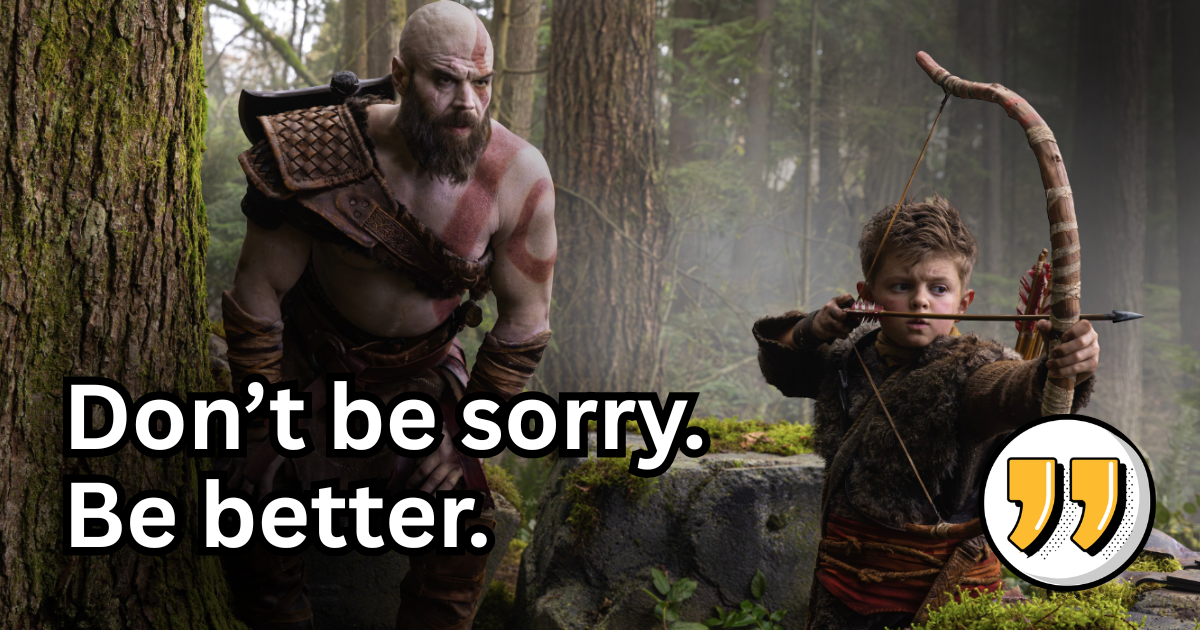
A recent example of this intentional ragebaiting in marketing comes from Amazon. They officially released a behind the scenes “first-look” at the two main characters of God of War. However, the BTS photo was not received well. In short, it looks pretty awful. That being said, if Amazon had released a good picture from the behind-the-scenes of God of War, it would only have been talked about for one day. By putting out a bad picture, it has resulted in weeks of conversation and scrutiny.
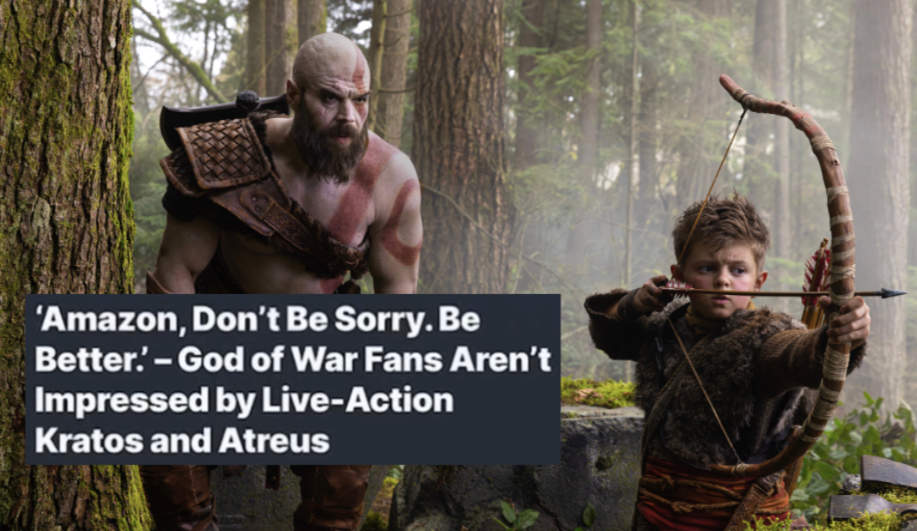
Via u/pinchofcinema
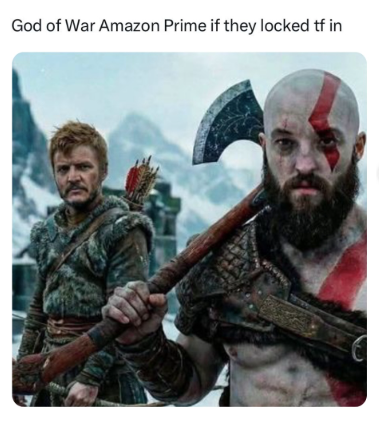
Voracious fans, who have followed the God of War franchise since 2005, felt betrayed and slighted by the seemingly half-hearted attempt at their beloved story’s adaptation. As a result, this rage and betrayal generated thousands of response videos, millions of comments, a myriad of trolling memes, and the elusive long-lasting buzz of media attention. This has sustained for several weeks since the release of the photo.
Via u/gamingzar
Objectively, as a pop culture enthusiast and God of War fan myself, I think this is just a bad advertisement, highlighting how lazy and manipulative the marketing world has become. Not to mention, how much the marketing machine relies on social media reception. A good ad requires time, effort, and cleverness to create. An ugly, ragebait BTS photo requires nothing from marketers, apart from a pot-stirring attitude and five-minutes of screentime from a social media-savvy intern.
They wind up the ragebait mechanism and let commenters, trolls, and online fans do the rest.
This technique works “smarter, not harder,” but ragebait ads are slimy, scheming, and deceptive. While marketers have achieved their goal of putting eyeballs on the show, they have only brought on negative attention. Is that such a good thing in the long run? After Amazon’s BTS photo flop, God of War fans have absolutely abysmal expectations for the show and preemptively harbor resentment for the entire production, all because of a low quality, low effort ragebait ad. Instead of inciting excitement and eagerness, audiences are left with a bad taste in their mouth, and that’s not what fans want lingering around their favorite franchise.
Do Better
Angry audiences are interactive audiences, and because social media algorithms reward content with tons of engagement. So, marketers have cracked the code to sustain trendiness, but at the cost of quality. Counting on the adverse reactions of folks on the internet, ragebaiting offers cheap and easy attention, but marketers are going to get what they pay for.
The increasingly common practice of ragebaiting has dumbed down content, replacing cleverly written copy, memorable composition, and thoughtful narrative crafting with dumbfounded fury, red herrings, and lazy ads, dispelling positive sentiment and eroding the foundation of good ad content.
However, not every marketing team has stooped so low. There are still a few shining gems in the marketing world that don't revolve around negativity. Apple TV’s Ted Lasso has long been revered as a feel-good, sports dramedy. Starring Jason Sudeikis, the show originates from a character that Sudeikis played during a promo for NBC’s coverage of England's soccer Premier League. Since 2020, Ted Lasso has risen to fame over its overwhelmingly wholesome nature. After four seasons and nearly six years of air-time, the show has reflected this positive nature both on and off screen.
Riding the wave of good vibes, the show recently announced that they have been renewed for a fourth season, however, this announcement was overshadowed by some even better news. Cristo Fernández, best known as Dani Rojas in Ted Lasso, is chasing a real-life dream of becoming a professional soccer player.

Via u/sporf
While fans are saddened that he may not be returning to the show, audiences are still thrilled that he’s pursuing his passion in the real world. Fans are genuinely so happy for him! This announcement was no accident and was likely intended to curate buzz around the show’s upcoming release. This good news is a breath of fresh air in a negativity-dominated marketing environment.
Once again, Ted Lasso has set the standard for positivity, even on a ragebaiter’s playing field.
Positivity Prevails
Internet literate folks have been around ragebait since the first servers went online at the end of the last century. However, the trolling, online smack-talking, and intentional provocation is fairly new to the marketing scene. Don’t we have enough negativity in the world right now?
While negativity has a shock and awe factor, ultimately the ragebait mindset undermines audience enthusiasm and overall reception of whatever is being advertised. It may be a great way to generate buzz online right now, but audiences are growing tired of the bad vibes, the disappointment, and the ragebaiting. Eventually, this negativity will come back to bite marketers. Positivity, excitement, and an uplifting atmosphere always prevails in the end and it’s the good ads and the good shows, movies, or games that go down in history as legendary.
Especially these days, audiences crave positive content, even when it comes to advertising.