
Bengal Tiger (Panthera Tigris)
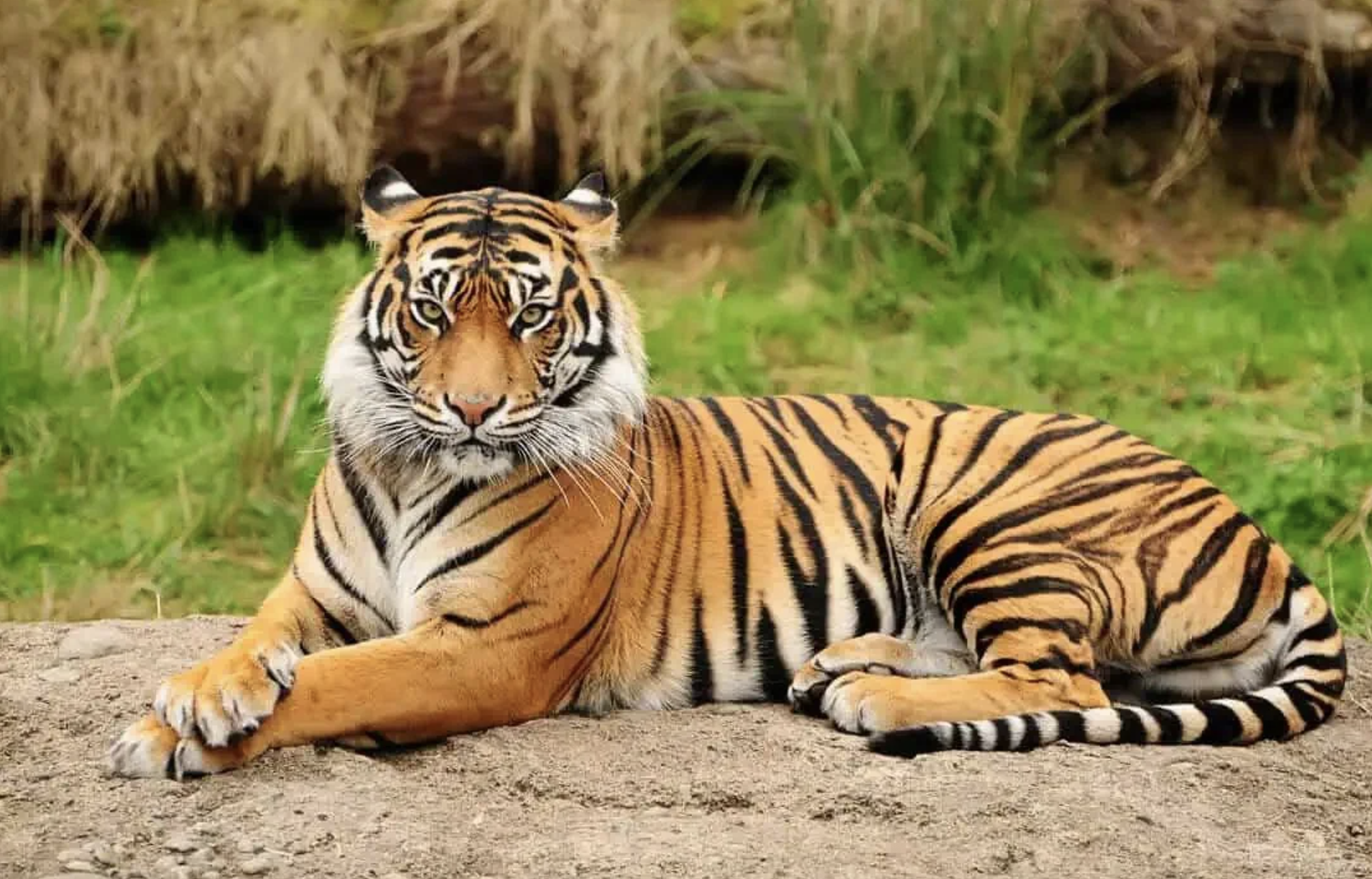
(photo courtesy of: Nandu_alias_Parthu)
We have to start here. It would be rude not to. The Bengal Tiger is India's most famous resident, and honestly, he knows it. Roughly 70% of the world's wild tigers live in India (even as feline expurrts, we didn't know this fact before doing our research). As ameowzing as it is, it's also a reminder of how badly the rest of the world has treated its tigers. It may be an apex predator, but to us, it looks extremely friend-shaped (not friend). A national symbol. An icon. A very large cat that has absolutely earned its reputation.
Gir Lion (Panthera Leo)
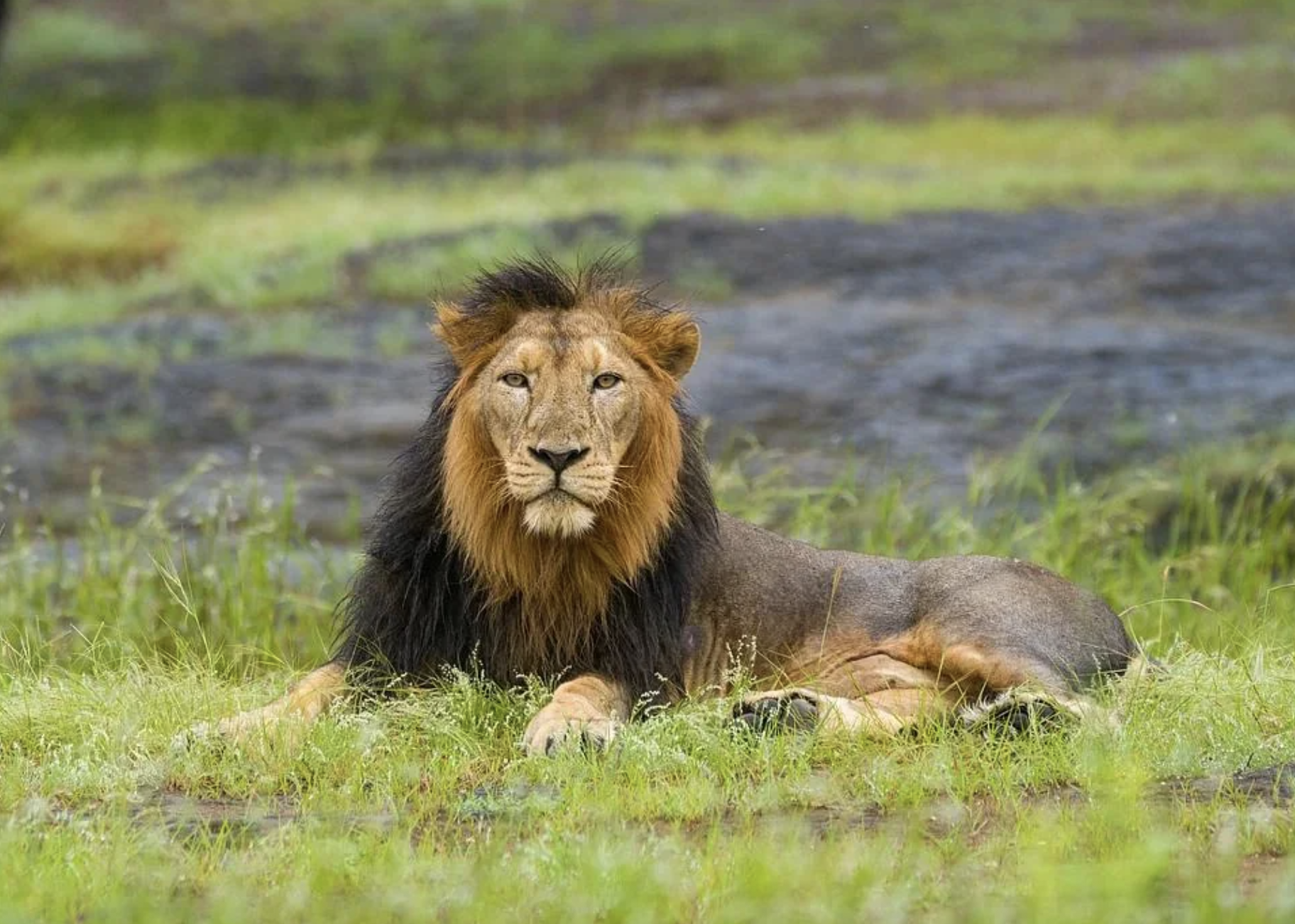
(photo courtesy of: Nandu_alias_Parthu)
This article is going to be full of fun facts, so you can thank us the next time you need a social icebreaker. The only wild lions left in Asia live in a single forest in Gujarat, and that forest is called Gir, and the lions there are doing their absolute best. There are only around 600 of them! They are smaller than their African cousins, with thinner manes, but all the meowgnificence that a lion should have. They are also, to be very clear, still lions. Regal, irreplaceable, and found nowhere else on the continent. We also really want to pet one of them.
Indian Leopard (Panthera pardus)
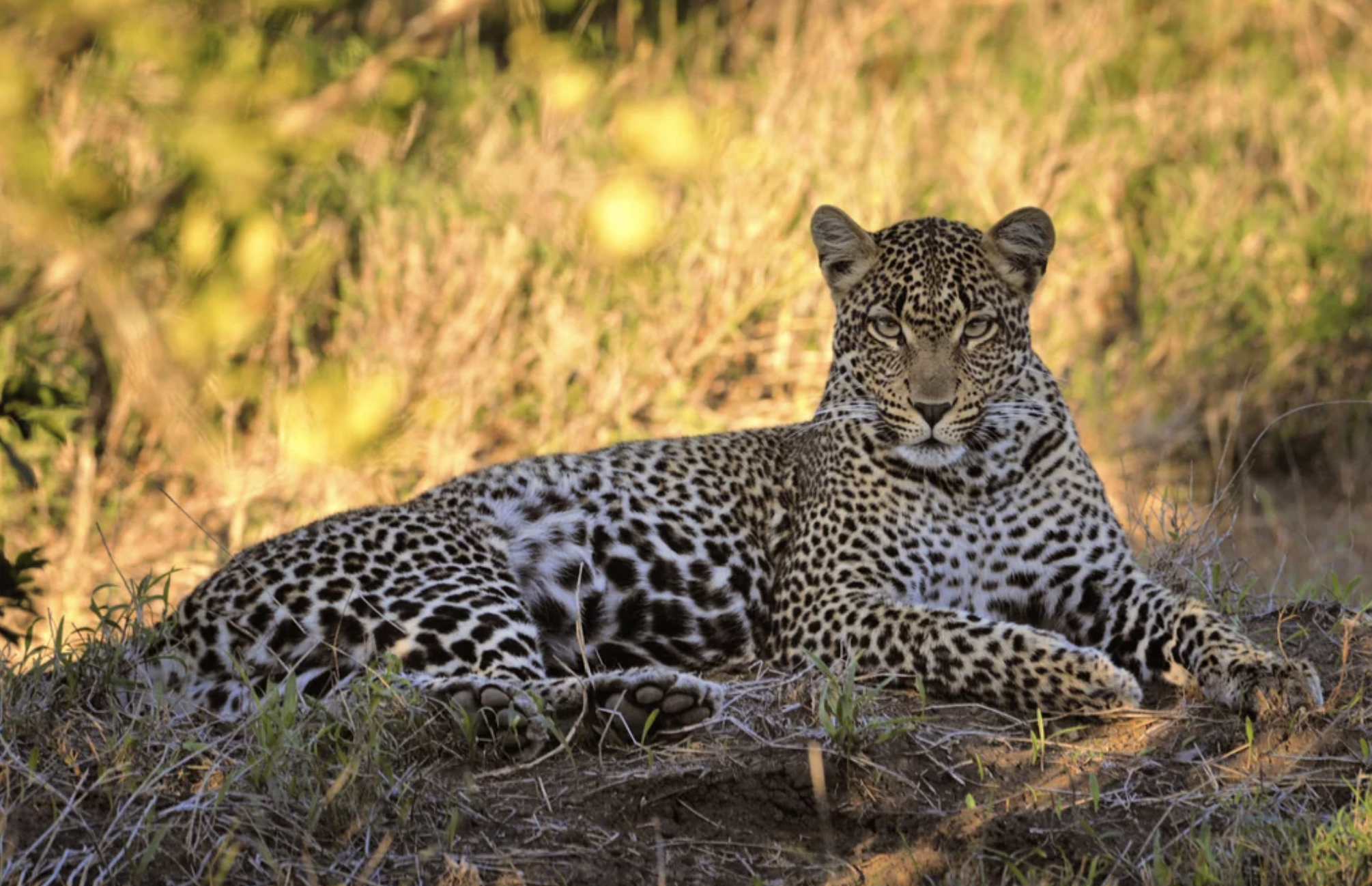
(photo courtesy of: Nandu_alias_Parthu)
Leopards are underrated in the large cat species, but not this bad boy! The Indian leopard is perhaps the most impurressive cat in India. It lives everywhere, from forests to scrubland, to the outskirts of cities, and occasionally places it probably shouldn't be (like in your backyard, or sunbathing on top of your car). It is pawsitively adaptable in a way that big cats usually aren't, which is the only reason why it's still doing okay while so many others aren't. They are extremely unbothered by your presence, which is 100% a purrre feline trait. The leopard has been here longer than you have… and is planning to stay.
Snow Leopard (Panthera uncia)
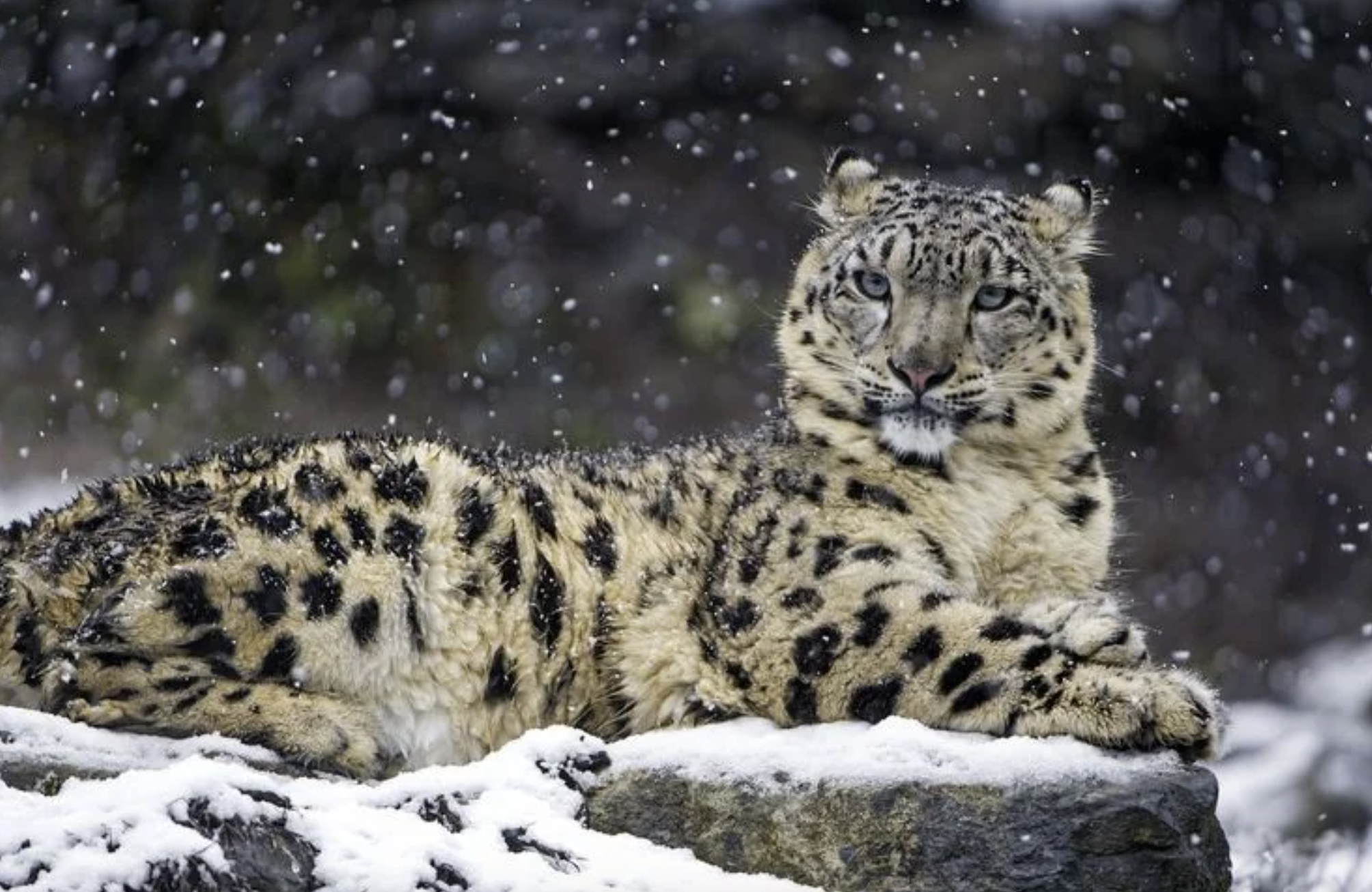
(photo courtesy of: Nandu_alias_Parthu)
High in the Himalayas, where most things have the good sense not to live, the snow leopard exists in a state of purrfect meowjesty. It is grey and spotted and has a tail that is almost comically long (nearly as long as its body). They use it for balance on mountain terrain and also, most importantly, for wrapping around themselves like a security blanket. If you've ever seen a video of a snow leopard on social media, you've probably seen this. If you haven't, that's your homework. Wouldn't you also want a fluffy security blanket if you lived in one of the most uninhabitable places on Earth?
Clouded Leopard (Neofelis nebulosa)
(photo courtesy of: Nandu_alias_Parthu)
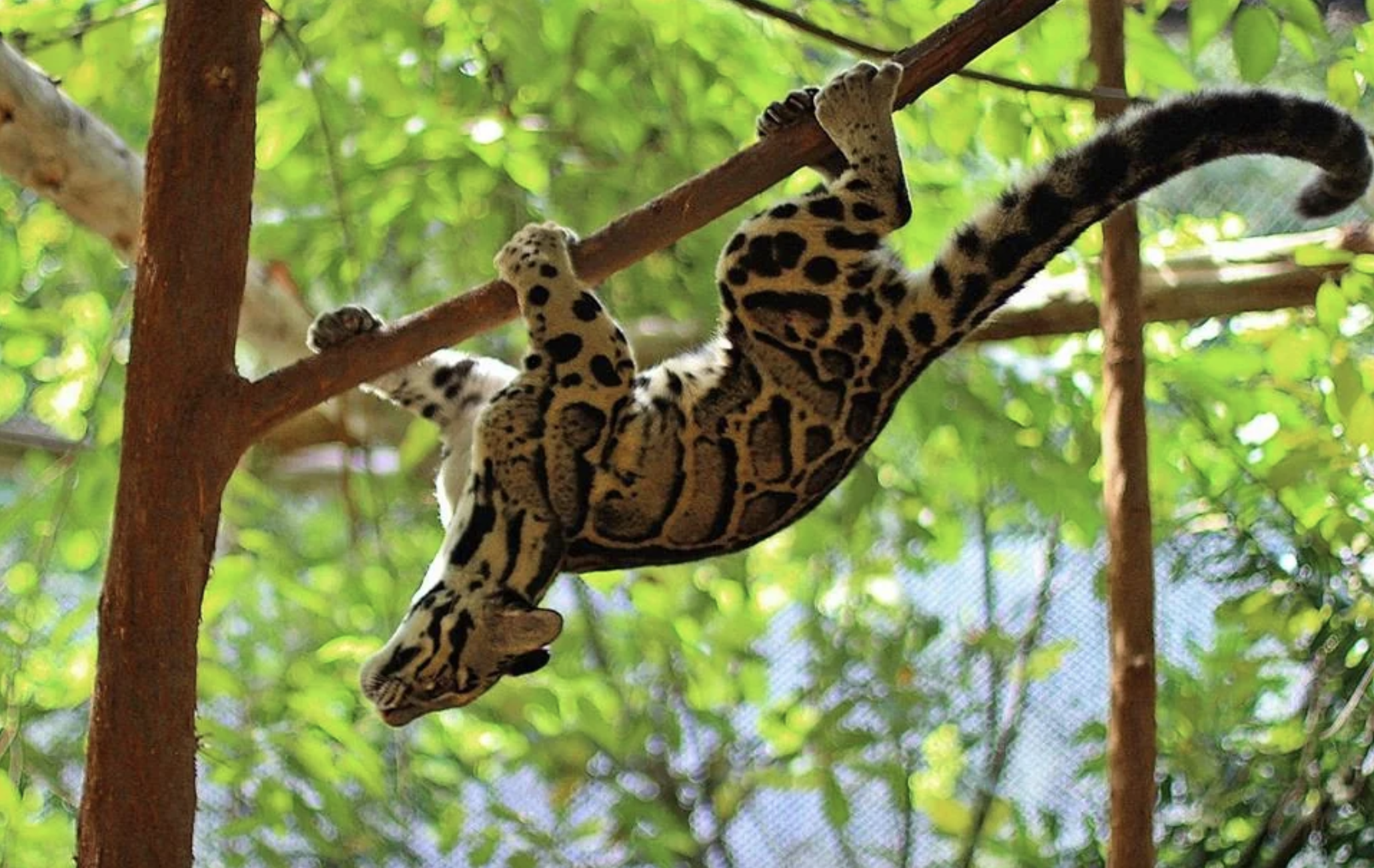
Fake news alert! Despite its name, the clouded leopard is not actually a leopard. It's something older and stranger, like something between a big cat and a small cat. A medium cat, if you will. But, it does have some ginormous teefers, the largest teeth relative to its body size of any living cat. It lives in the forests of northeastern India and spends most of its time in trees, which is perhaps the correct response to having an animal with those teeth in your neighborhood.
Eurasian Lynx (Lynx lynx)
(photo courtesy of: Nandu_alias_Parthu)
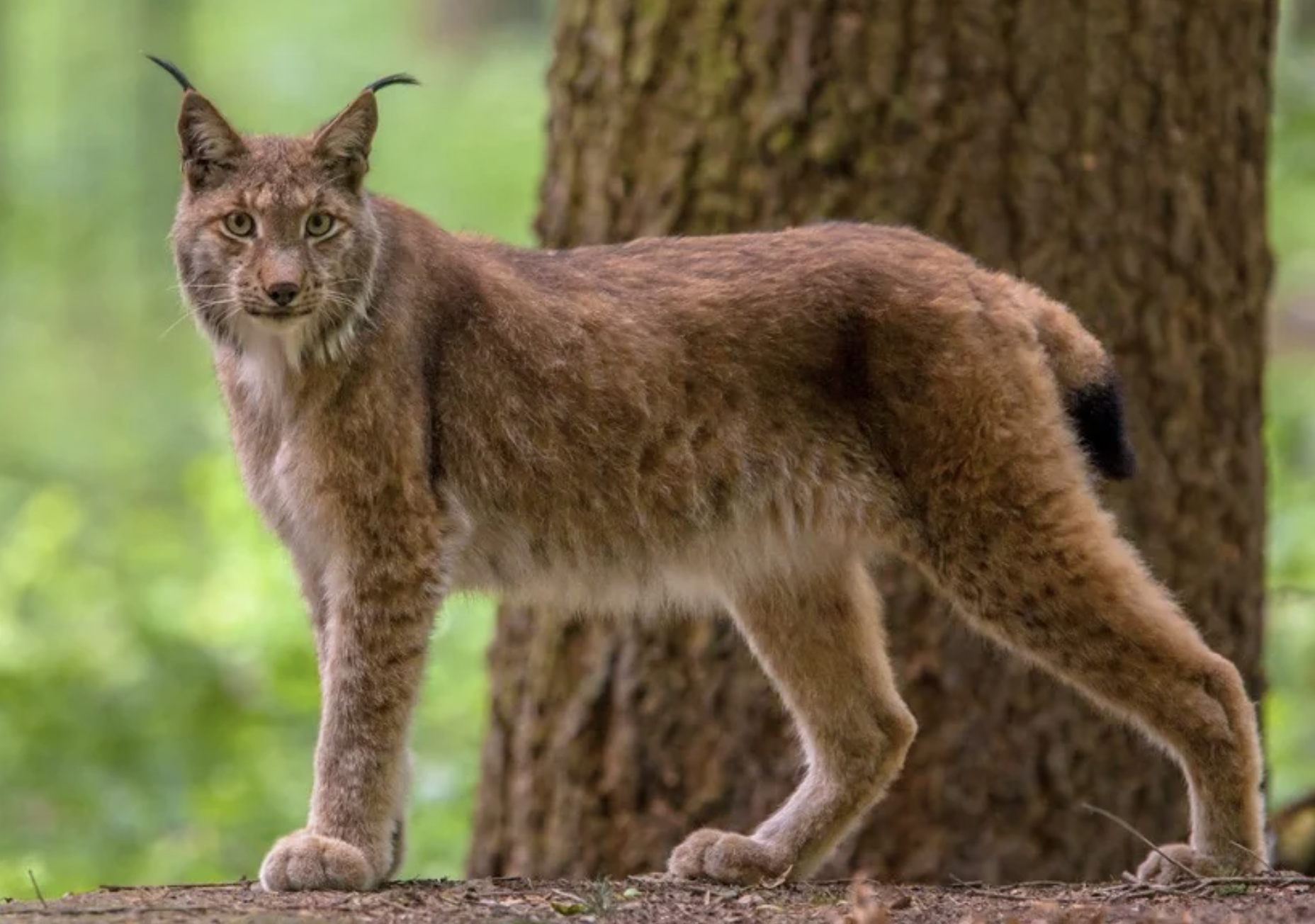
Big paws. Very big paws. The Eurasian Lynx is built for deep snow, which explains its wonderfully large paws, and for patience, which explains why it's one of the hardest in this list to spot in the wild. It prowls the cold forests of the Himalayas, ears turning aroud like satellite dishes, wearing what can only be described as an expression of meowjestic suspicion. It is large for a lynx, can take down prey several times its own size, and looks like it has opinions. Don't all cats have opinions, though?
Caracal (Caracal caracal)
(photo courtesy of: Nandu_alias_Parthu)
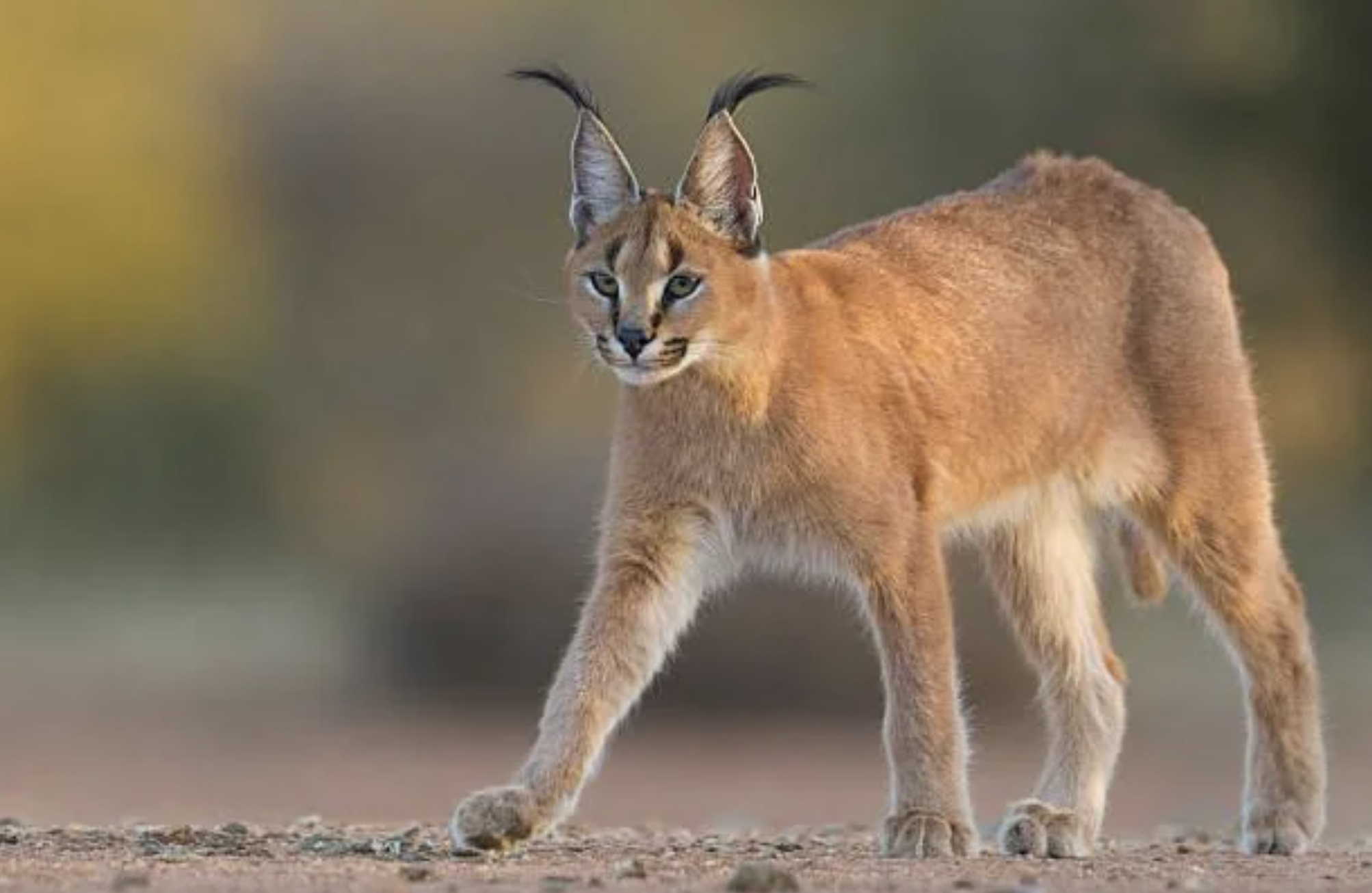
The caracal is basically a cat that decided to also be a rocket. Those long, black-tipped, magnificently tufted ears aren't just for decoration. They help locate prey with purrfect precision before launching into the air to catch birds mid-flight. Mid-flight. Whereas our cat can't even jump on the couch correctly 50% of the time. The caracal can leap over two meters straight up, which is the kind of information that changes how you feel about birds having natural enemies. She's sleek, she's fast, and she's very, very good at her job.
Fishing Cat (Prionailurus viverrinus)
(photo courtesy of: Nandu_alias_Parthu)
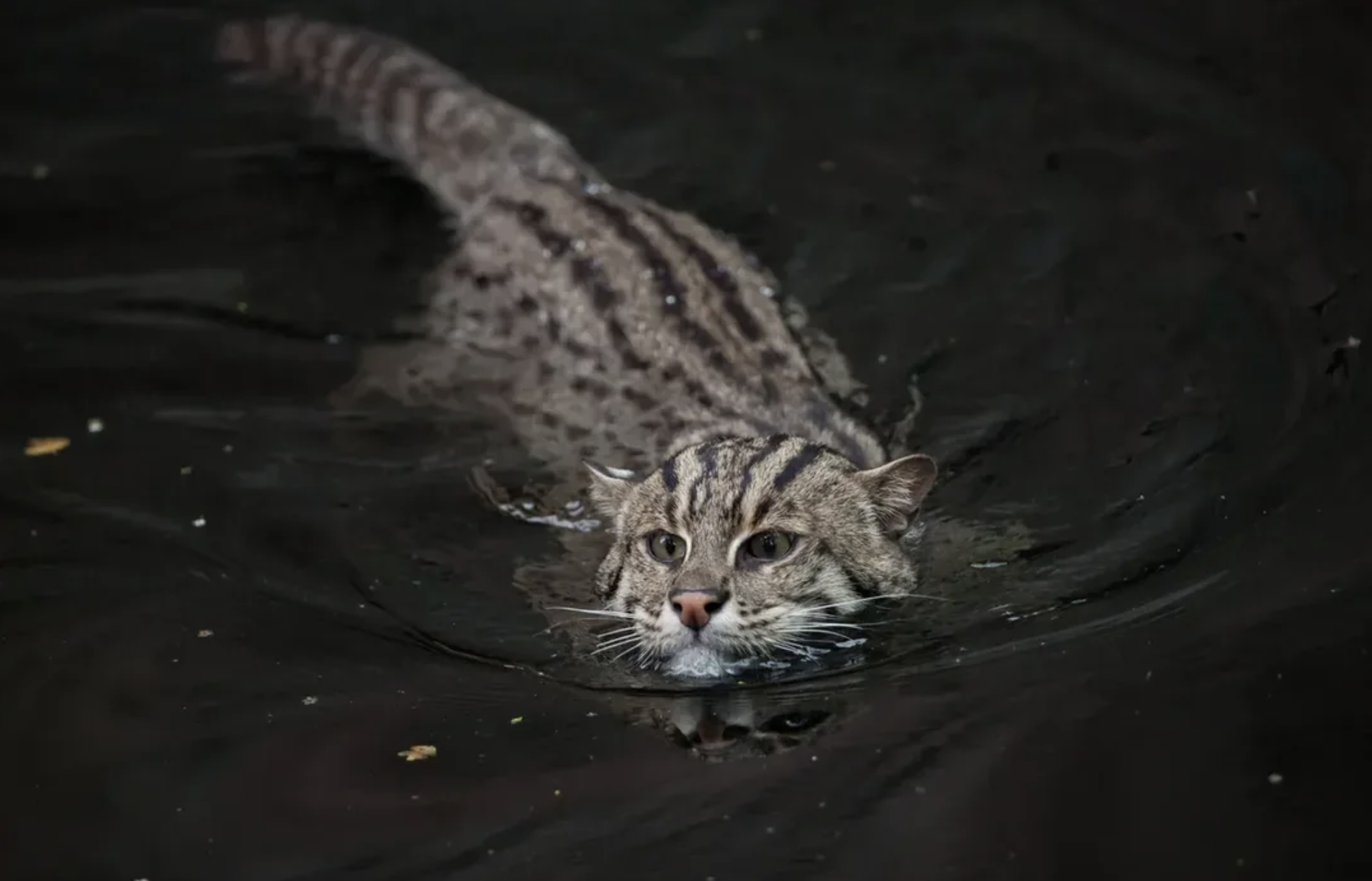
The fishing cat looked at the general kitty consensus that water is bad and said, “No thank you, I disagree”. It has slightly webbed paws, which we're obsessed with. It hunts by crouching at the water's edge and scooping fish out with its paws. It dives in after them when it has to. It lives in wetlands and mangroves, and it thrives there. The fishing cat changes everything you thought you knew about cats and corrects it (like a typical cat would).
Leopard Cat (Prionailurus bengalensis)
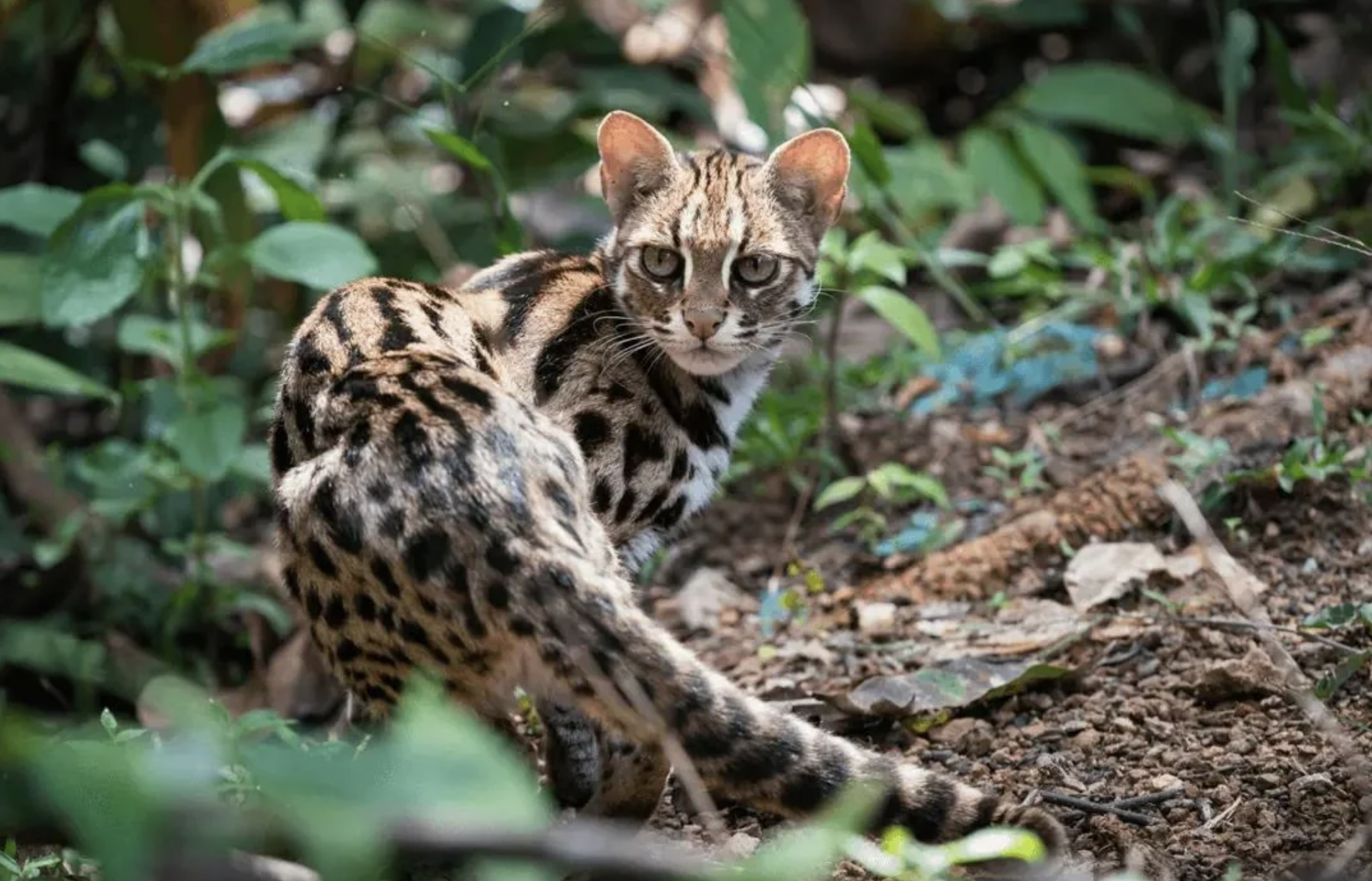
(photo courtesy of: Nandu_alias_Parthu)
Small, spotted, and easily mistaken for a very fancy domestic cat by people who should know better, the leopard cat is about the size of a house cat but carries itself like something significantly larger. It's widely distributed across all of India, secretive, largely nocturnal, and not remotely interested in being found. It is also, not-so-coincidentally, the wild ancestor of the domestic Bengal breed, which means there is a chance your expensive pet cat has relatives in the Indian jungle. You can now consider yourself cultured.
Rusty Spotted Cat (Prionailurus rubiginosus)
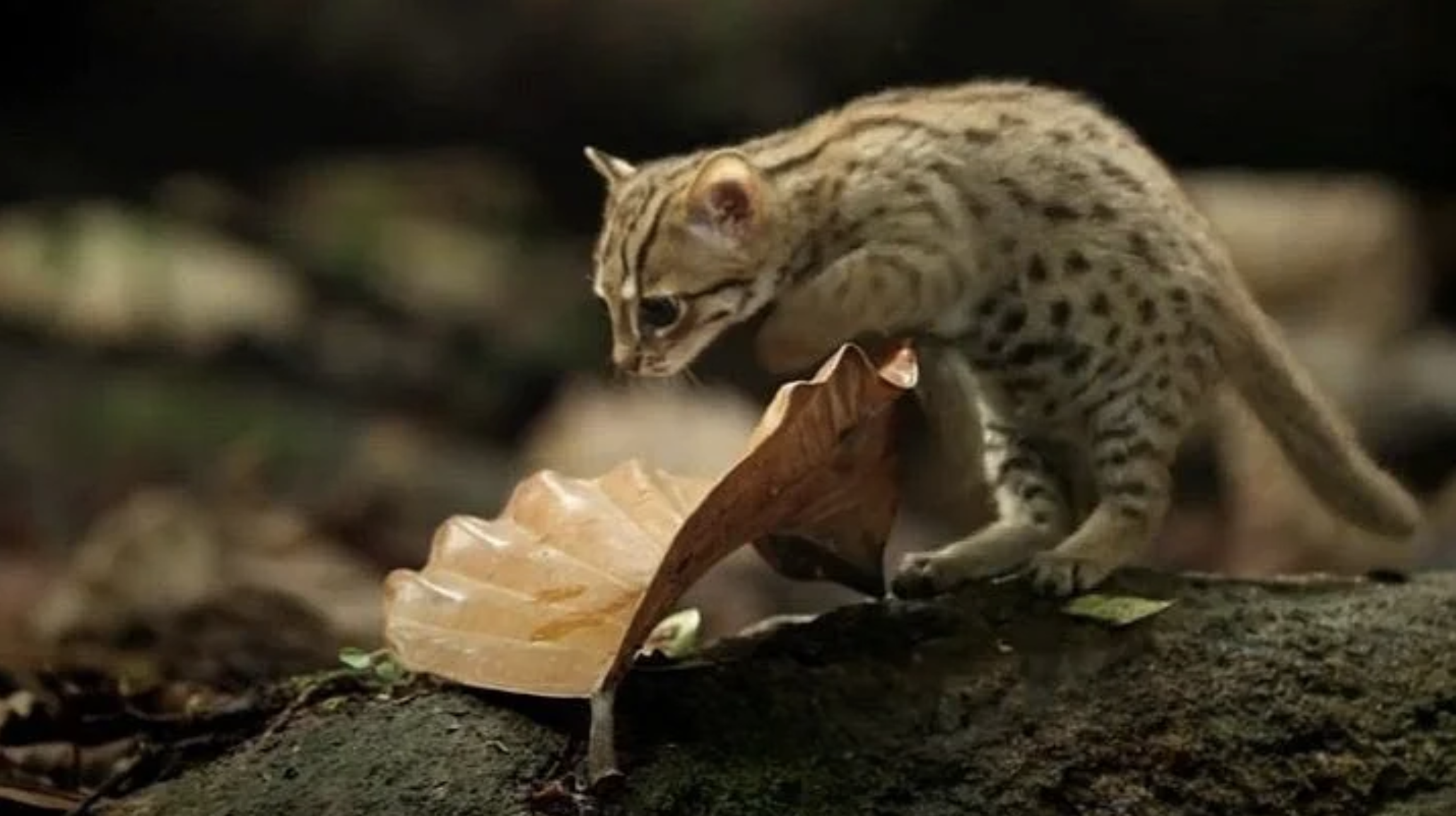
(photo courtesy of: Nandu_alias_Parthu)
Here it is - the smallest wild cat in all of Asia. Pawssibly the smallest wild cat in the world, depending on who you ask and how small the black-footed cat is feeling that day. The rusty spotted cat weighs around 2-3 pounds. It is absurdly small, which automatically makes it our purrsonal favorite. It is also deeply unbothered by the fact that it is the size of a large mango. India just has these, living in its forests and grasslands, being tiny and excellent.
Wildcat (Felis sylvestris)
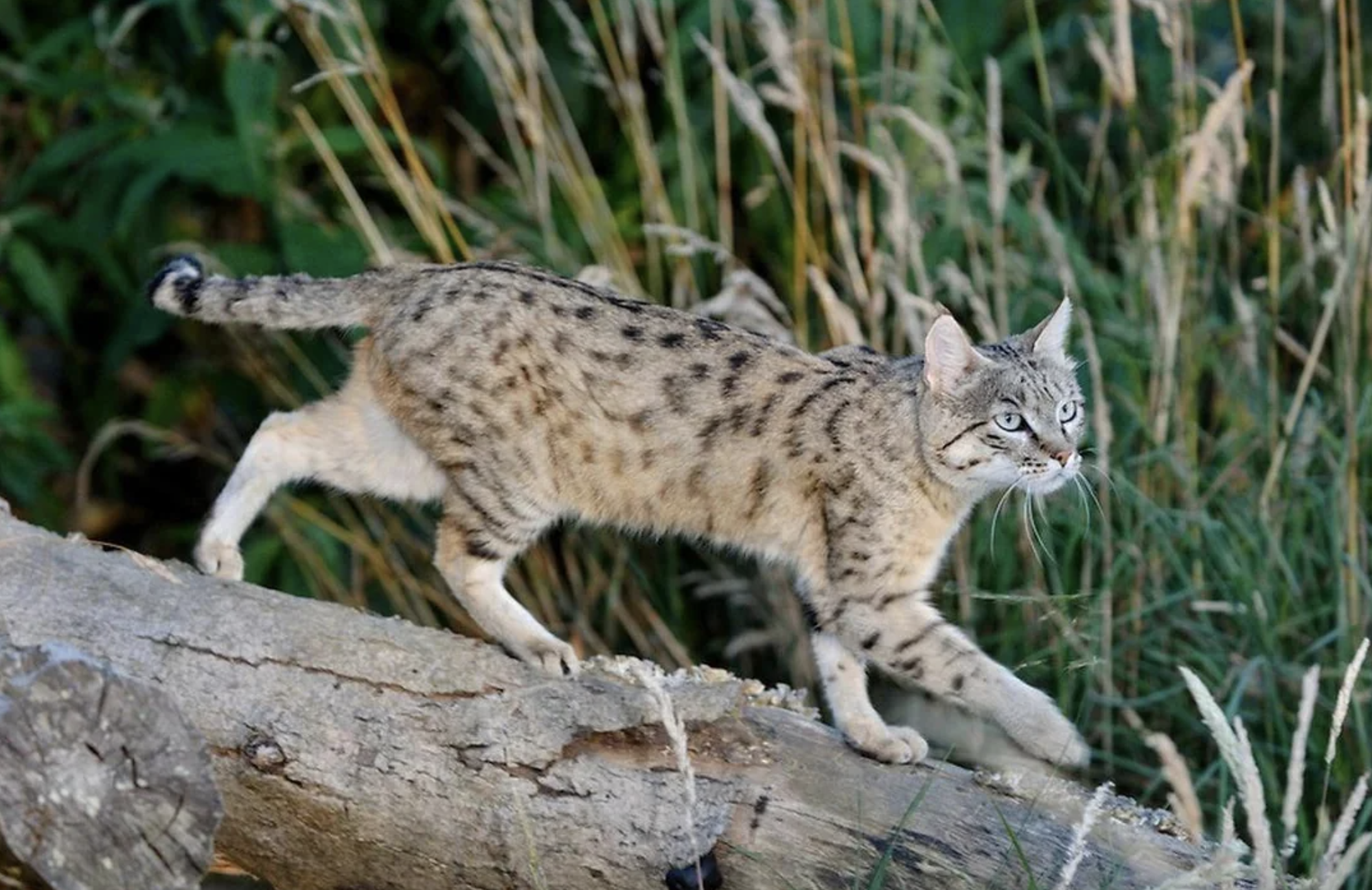
(photo courtesy of: Nandu_alias_Parthu)
The wildcat is, genetically speaking, what your domestic cat is secretly dreams of being. The ancestor of the modern house cat, the wildcat, roams dry zones and open forests. In case you're wondering, they're not remotely interested in being domesticated a second time. It looks almost exactly like a tabby cat. PSA: is not a tabby cat. Do not attempt to pet it. It would like you to know the difference.
Jungle Cat (Felis chaus)
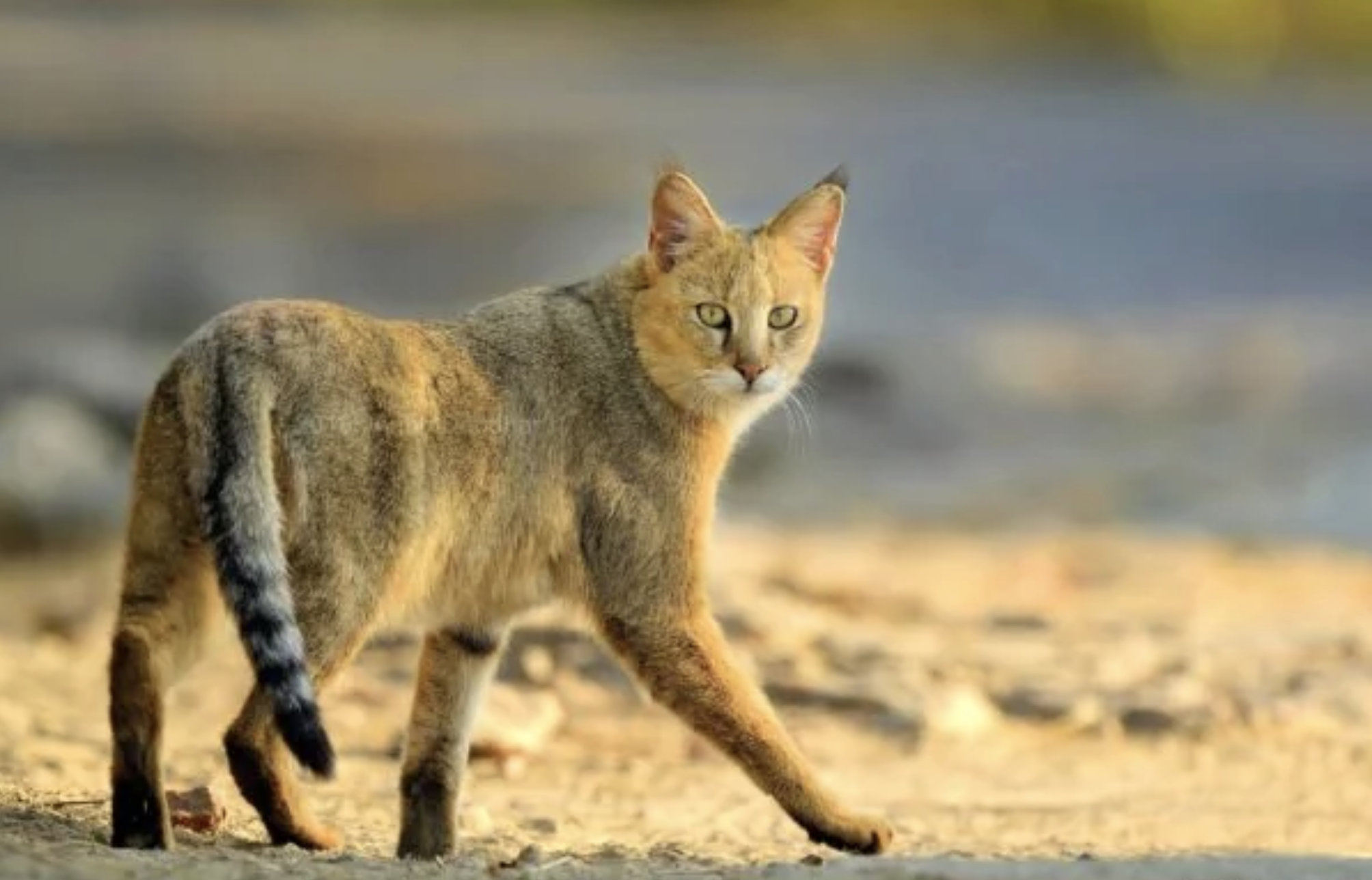
(photo courtesy of: Nandu_alias_Parthu)
The jungle cat has a name that sounds extremely dramatic for an animal that is, honestly, only medium-sized and often described as a slightly elongated tabby cat. But do not be fooled by the approachable aesthetics (that means you, Barbara). The jungle cat is a skilled hunter (kind of redundant as most cats, except ours, are known for their hunting abilities), comfortable in wetlands, grasslands, and even outside of your apartment building. It was also worshipped in ancient Egypt, which the jungle cat would like you to remember.
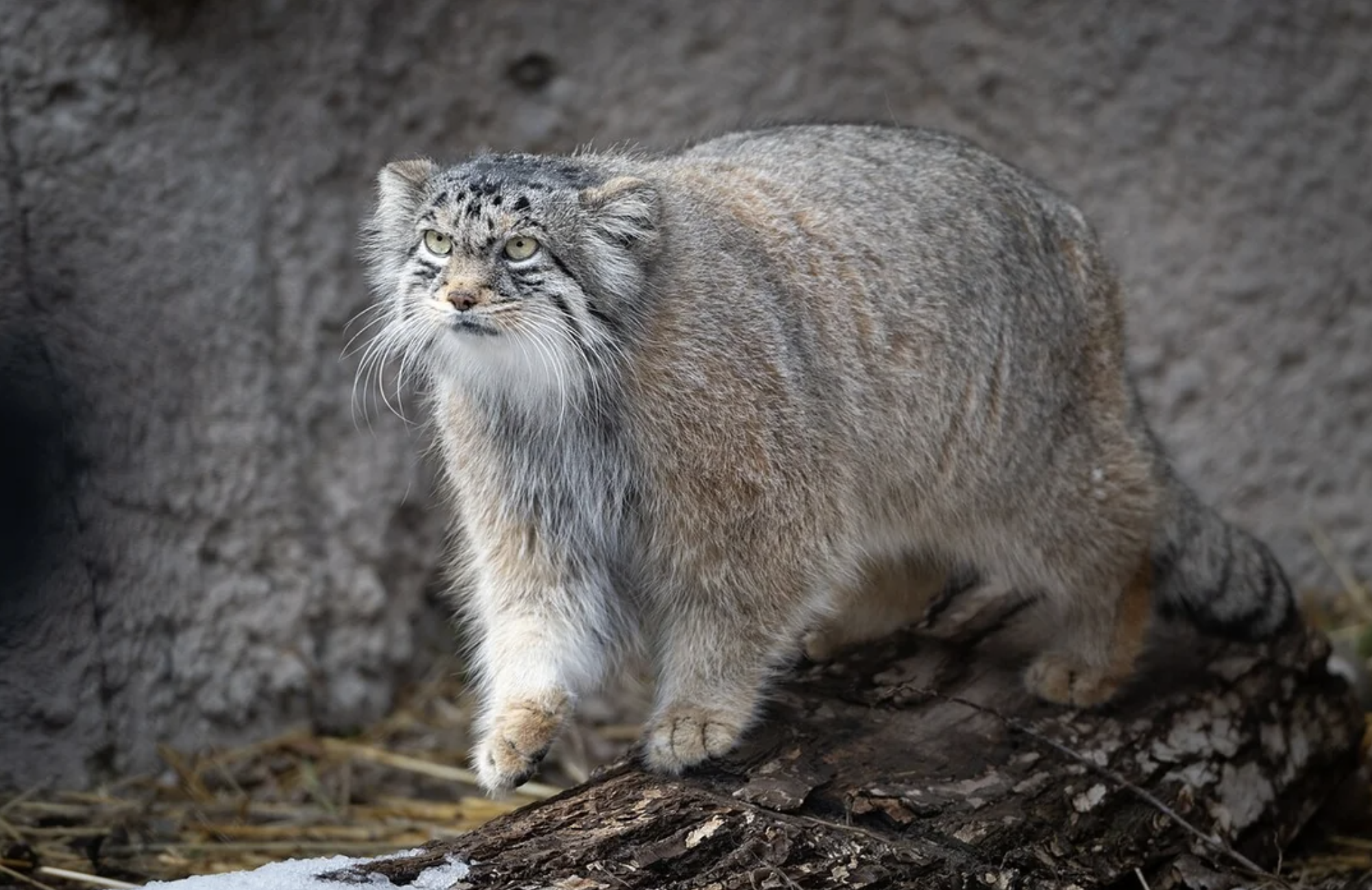
Pallas Cat (Octolobus manul)
(photo courtesy of: Nandu_alias_Parthu)
True ICHC fans know how much we love Pallas' cats. They look like what happens when you take a cat and add the purrfect amount of wisdom and controlled chaos. It has the flattest face of any wild cat. Its pupils contract into circles rather than slits, which is unusual and slightly unnerving. Its fur is extraordinarily dense, giving it a purrmanently startled and overstuffed appearance. The Pallas's cat is found in the cold grasslands of Ladakh and the high-altitude plateaus of India's north. It is grumpy-looking, ancient-seeming, and meowgnificently weird. We love them, and now it's time for you to love them as well.
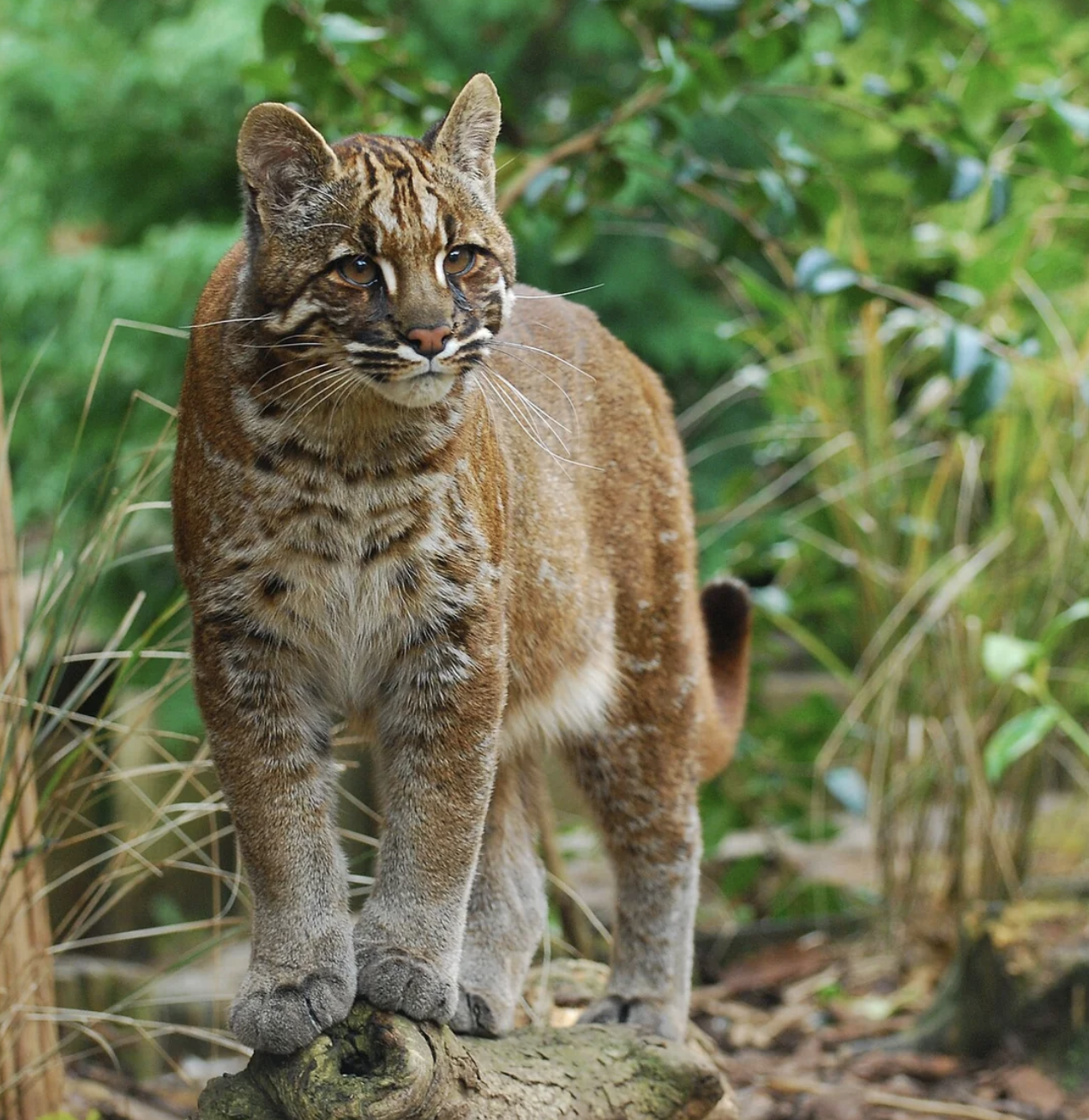
Golden Cat (Catopuma temminckii)
(photo courtesy of: Nandu_alias_Parthu)
The Asian golden cat is named for the golden-brown coat of some of its members, which would be a purrfectly straightforward naming theory if the golden cat didn't also come in grey, and dark brown, and spotted, and striped, making the whole "golden" branding somewhat wishful. It lives in the dense forests of northeastern India, is rarely photographed in the wild, and remains one of the least studied wild cats on the subcontinent. What we do know: it's roughly twice the size of a domestic cat and it clearly values its privacy.
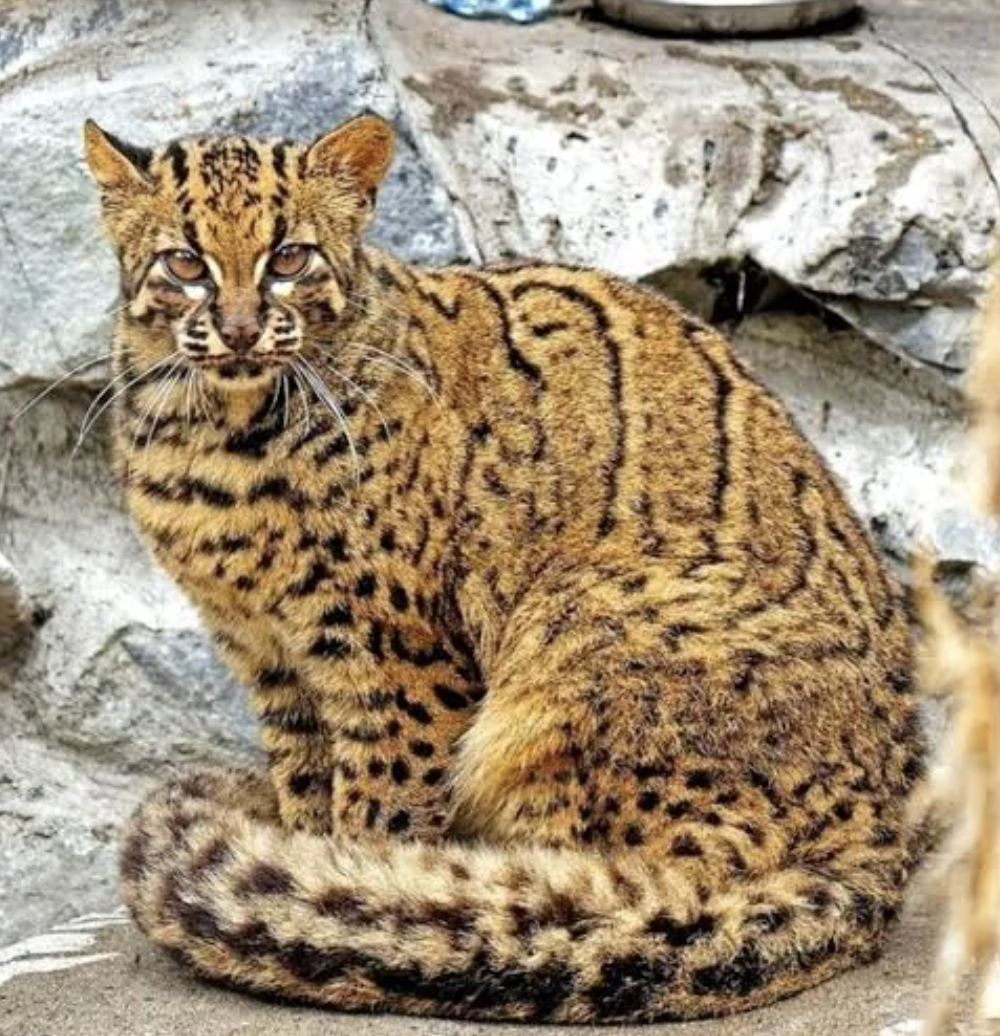
Marbled Cat (Pardofelis marmorata)
(photo courtesy of: Nandu_alias_Parthu)
The marbled cat looks like someone took a clouded leopard and left it in the wash for too long… smaller, softer, and with a blurred marbled pattern on its coat that gives it a pawsitively dreamlike quality. It has a tail way too long for its body, spends most of its life in trees, and is so elusive that almost everything we know about it comes from camera traps and the occasional lucky sighting. It lives in the forests of northeastern India and exists on a fine feline line between "real animal" and “something you're not entirely sure you actually saw”.
Fifteen cats. One country. A third of all wild cat species on Earth, arranged across habitats that range from tropical wetlands to Himalayan glaciers to dense northeastern rainforests to the pawsitively arid edges of the Thar Desert.
India is, without question, the cattest place on Earth. Our boy, the Bengal tiger, just happens to be the one on the brochure.
Want More? Follow Us and Add Us as a Preferred Source on Google.